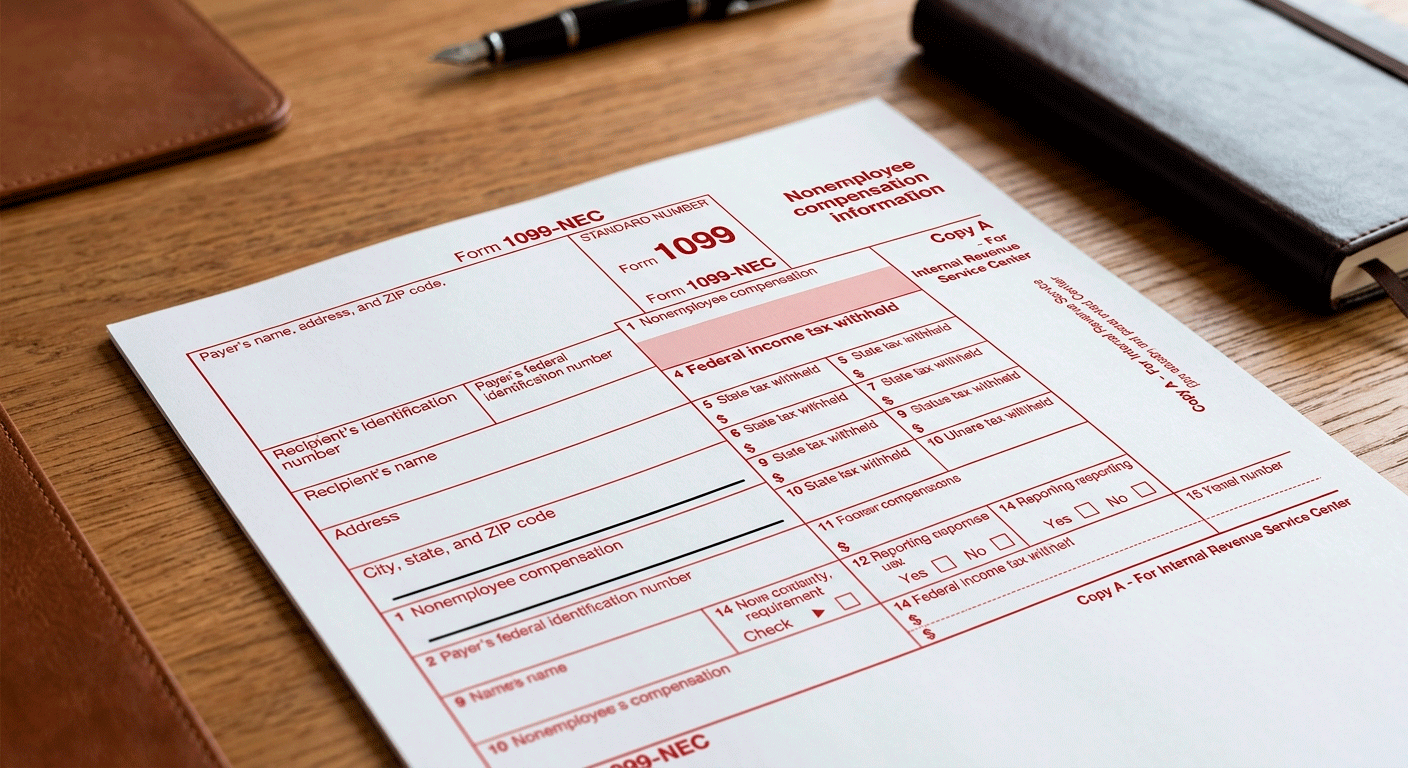
Description
The essential tax information document for reporting various types of income outside of traditional employment. Unlike a W-2, the Form 1099 is used by businesses and other entities to report payments made to independent contractors, freelancers, investors, and other individuals. If you receive a 1099, it means you have earned income that must be reported to the IRS.
Key Features:
– Non-Employee Income: Primarily used to report income for self-employed individuals, freelancers, and independent contractors.
– Multiple Variations: Comes in different versions for specific income types, with the most common being the 1099-NEC (Nonemployee Compensation) and 1099-INT (Interest Income). Others include 1099-DIV (Dividends), 1099-MISC (Miscellaneous Income), and 1099-K (Payment Card Transactions).
– Income Reporting Threshold: Businesses are not required to issue a 1099 for every payment. For example, a 1099-NEC is typically only issued if you were paid $600 or more in a calendar year.
– Self-Employment Taxes: Income reported on most 1099 forms is subject to self-employment tax, which covers your contributions to Social Security and Medicare.
Ideal For:
– Freelancers and Independent Contractors: Receiving the primary document needed to report business income and file taxes.
– Investors: Reporting income earned from interest, dividends, and the sale of assets.
– Gig Economy Workers: Documenting earnings from platforms like Uber, DoorDash, or Etsy (often via Form 1099-K).
– Recipients of Miscellaneous Income: Reporting other payments like prize winnings or rental income.