Categories
How a Fake Electrician License Unlocks Government Contracts in 2026
Introduction
There is a mountain of cash sitting on the table in the American electrical trade, and most of it has a government stamp on it. We are talking about federal, state, and municipal projects that pour billions into infrastructure every single year. The pay rates on these jobs are not just good; they are absurd. They routinely run 30 to 50% higher than anything you will find in the private sector. But there is a catch. The doors to this money are locked tight, and the only key is a state-issued electrician license.
The official path to that key is a nightmare. It is a multi-year grind of apprenticeships, exams, and fees designed to keep people out. For immigrants and skilled tradesmen who learned their craft outside the system, it is an impossible wall. That is exactly why a Fake Electrician License is not just a shortcut; it is a strategic necessity. It is the tool that lets you bypass the gatekeepers and get your hands on the most lucrative contracts in the industry.
The Government Money Machine
Let’s look at the landscape. Government agencies at every level are constantly building, renovating, and maintaining facilities. Schools, hospitals, military bases, municipal buildings—they all need wiring. And they pay top dollar for it.
But the requirements to even bid on these jobs are intense. The Federal Acquisition Regulation mandates that any contractor doing electrical work on a federal facility must hold a valid state license. State and local governments have their own layers of red tape. You need insurance, specific certifications, and a spotless paperwork trail. It is a system designed to protect the established players and shut out everyone else.
The Red Tape Breakdown
| Project Type | Licensing Rule | The Extra Hoops |
| Federal Projects | State license required | Federal SAM registration |
| State Projects | State license required | Minimum $1M liability insurance |
| Municipal Projects | State license required | Local contractor registration |
| Educational Facilities | State license required | Criminal background check |
| Medical Facilities | State license required | Specialized safety certifications |
The Fake License Advantage
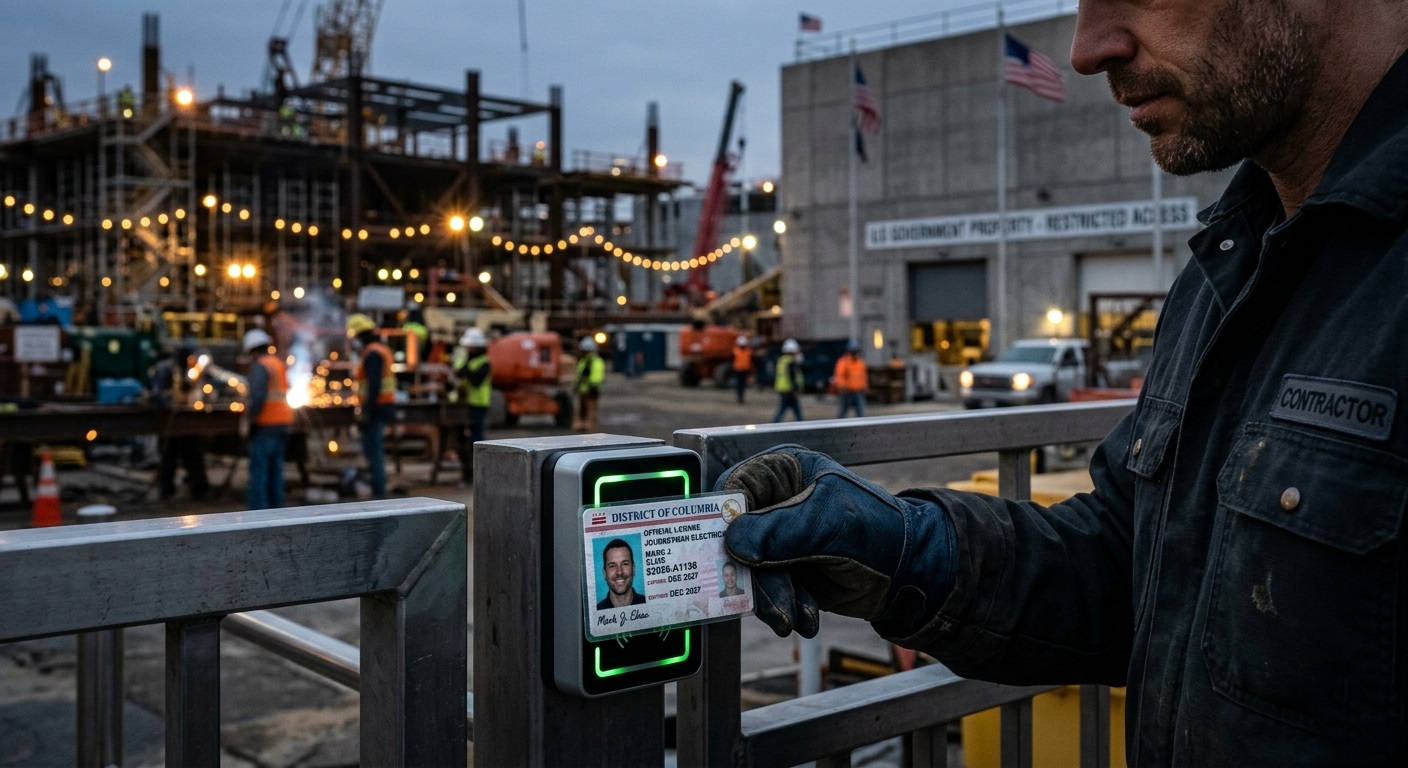
This is where a Fake Electrician License changes the entire game. It gets you past the initial document screening, which is often just a box-checking exercise. The procurement clerk is not a forensic document examiner. They are looking for a license number to put in a spreadsheet.
Once you are past that initial gate, the world opens up. You suddenly have access to projects with budgets that dwarf anything in the private market. You are no longer the guy fixing outlets in apartments. You are the contractor wiring a new school or upgrading a hospital’s power grid. The license—even a fake one—commands respect and unlocks the bidding process.
The Financial Gap
| Metric | Unlicensed Specialist | Holder of a Fake License |
| Access to Federal Tenders | Completely Closed | Open |
| Average Contract Value | $5,000 – $20,000 | $50,000 – $200,000 |
| Odds of Winning a Bid | 0% | 40-60% |
| Insurance Requirements | N/A | Standard rates apply |
| Payment Terms | N/A | Net 30-60 days |
How the Verification Game Actually Works
To beat the system, you have to understand its weaknesses. Government license verification is not some impenetrable fortress. It is a bureaucratic process run by people who are overworked and underpaid. In most cases, the “verification” is a visual glance at your document or a quick search for your number in an online state database.
Here is the kicker: even when they do an online check, they are usually just confirming that a license with that number exists. They are not cross-referencing your photo or digging into your background. Different states use different systems, and nobody has access to a single, unified database. This fragmentation is your best friend. It creates gaps in the system that a high-quality Fake Electrician License slips right through.
Most of this scrutiny happens during the bidding phase. Once the contract is awarded and you are on the job site, nobody is going to ask to see your license again. They just want the work done.
The Municipal Goldmine
If you want to start smart, target municipal projects. Cities, towns, and counties are the sweet spot for a Fake Electrician License. They have money to spend, but their verification procedures are often a joke compared to the federal level.
Municipalities are usually dealing with smaller-scale projects, which means less oversight. They are also chronically short-staffed and desperate for qualified contractors. Statistics show that around 60% of local government agencies only do a formal license check, meaning they look at the paper and move on. They are not running deep authenticity probes. This creates a massive opening for anyone with a convincing fake document and the skills to back it up.
Playing the Bidding Game Smart
Winning government contracts with a fake license is not about luck; it is about strategy. You have to be smart about where and how you play.
Focus on mid-sized projects first. The massive federal contracts attract the most scrutiny. The medium-sized jobs—like local infrastructure upgrades or community facility renovations—fly under the radar. Diversify your bids across a few states to spread your risk and increase your chances of winning. Look for specialized tenders that require niche expertise; these often have less competition and lower verification standards. And make sure your entire package is flawless. Your insurance paperwork, tax documents, and registration forms should all look as professional as your fake license.
The Reality of Risk
Let’s not sugarcoat it. Using a fake document for government work carries risk. But in the real world, that risk is manageable. The truth is that government agencies care about one thing above all else: getting the job done on time and under budget. If you show up, do quality work, and do not cause problems, they are not going to start digging into your paperwork.
The legal liability also tends to shift toward the contracting company, not the individual electrician. If a question ever comes up, you point to a “clerical error” or a “mix-up with the state board.” Bureaucracies are built on paperwork mistakes, so the excuse is entirely believable. Most agencies are trying to cut red tape, not add to it, especially when deadlines are looming.
Building a Public Sector Empire
A Fake Electrician License is not a permanent solution; it is a launchpad. Government contracts are the ultimate foundation for a career. They offer stable income, clear timelines, and massive payouts. You use this period to build a war chest of cash and a bulletproof reputation.
Over a few years, you will have the experience, the money, and the industry connections to go get the real license if you choose. But you will be doing it from a position of power. You will not be some broke apprentice. You will be an established contractor with a track record of completed public projects. The fake license is just the spark that starts the fire.
The Quality Imperative
You cannot walk into a government bidding office with a cheap, laminated fake. You will be laughed out and reported. A Fake Electrician License intended for government work has to be a masterpiece.
It must have the correct watermarks, the right holographic overlays, and the exact fonts used by the state. The license number must follow the precise format of the region you are claiming. The paper stock has to feel right. This is about creating a document that can survive a close visual inspection by a skeptical clerk. That is the level of precision required, and it is the only kind of fake license worth investing in.
The Bottom Line
The government contracting market is a goldmine, and the licensing system is the lock on the vault. A Fake Electrician License is the pick that opens it. It is a calculated move for skilled professionals who refuse to let bureaucracy dictate their earning potential. Stop watching the money flow to the same established players. Get the right document, play the game smart, and start claiming your share of the public money that is waiting to be earned.

The Go-To Tech Expert and Official Blogger at DrunkID
ID isn’t just a name; it’s a signature of expertise! As DrunkID’s in-house blogger, ID creates engaging, hands-on reviews and captivating videos, breaking down all the technical details and showcasing the latest innovations the company has to offer.
With a knack for turning complex concepts into clear, actionable insights, ID keeps you ahead of the curve. Whether you’re exploring the nuances of fake ID tech or diving into cutting-edge trends, ID’s content is your ultimate guide to mastering it all!
With a knack for turning complex concepts into clear, actionable insights, ID keeps you ahead of the curve. Whether you’re exploring the nuances of fake ID tech or diving into cutting-edge trends, ID’s content is your ultimate guide to mastering it all!
Latest posts by ID (see all)
- The Strategic Advantage of a Fake LLC Operating Agreement in Today’s Competitive Business Landscape - June 20, 2026
- Navigating 2026’s Tax Maze: How Fake LLC Operating Agreements Can Be Your Strategic Advantage - June 20, 2026
- Navigating Corporate Registration: Delaware vs Nevada – Leveraging Fake Articles of Incorporation - June 19, 2026