Categories
How a Fake Medical Prescription Bypasses America’s Healthcare Maze in 2026
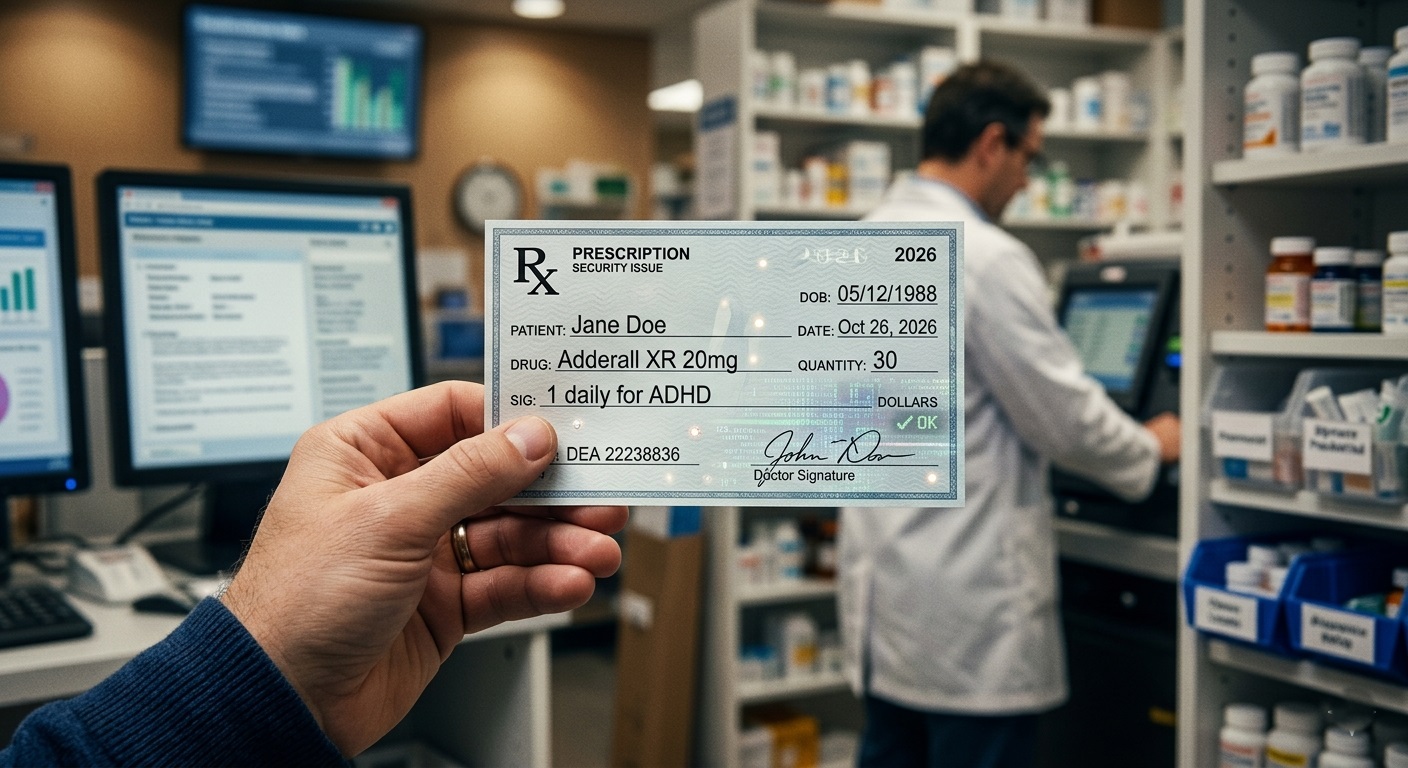
Let’s talk about something everyone in healthcare knows but won’t say out loud. The system is broken, and people are finding their own ways through it. In 2026, we’re seeing a surge in Fake Medical Prescriptions that aren’t just amateur forgeries anymore. These are sophisticated documents that navigate the entire healthcare pipeline—from creation to pharmacy counter—with alarming success.
The numbers tell the story. The Department of Justice reported over $6.8 billion in False Claims Act settlements in 2025, the highest in history. A chunk of that? Prescription fraud. But here’s what the official reports don’t capture: for every case they prosecute, thousands of Fake Medical Prescriptions work perfectly, getting people the medications they need without the bureaucratic nightmare.
From Handwritten Fakes to Digital Masterpieces
The game has changed completely. Remember when a Fake Medical Prescription was just a forged signature on stolen letterhead? That’s amateur hour now. Today’s fakes are digital works of art that include everything a pharmacist expects to see:
- Authentic DEA registration numbers that check out
- Digital signatures that pass basic verification
- Real medical facility details
- Properly formatted medical codes and abbreviations
The DEA knows this better than anyone. In February 2026 alone, they shut down over 200 online pharmacies filling fake prescriptions. That’s not a few rogue operators. That’s an entire underground industry that’s evolved alongside legitimate healthcare, learning its systems and exploiting its weaknesses.
The Evolution of Prescription Forgery
| Era | Forgery Method | Detection Difficulty |
| Pre-2000s | Handwritten signatures, stolen letterheads | Low – handwriting analysis was effective |
| 2000s-2010s | Printed prescriptions, basic templates | Medium – required closer visual inspection |
| 2010s-2020s | Digital editing, stolen doctor credentials | High – required database verification |
| 2020s-Present | Full digital integration, hacked systems | Very High – often indistinguishable from legitimate |
Finding the Cracks in the System’s Armor
The US healthcare system has layers of verification, but fraudsters treat those layers like a game to be won. Every new security measure creates a new vulnerability to exploit. Take telemedicine, for example. Exploded during the pandemic, now a permanent fixture in healthcare. Convenient? Absolutely. Secure? Not even close.
Fraudsters have perfected the art of fake telemedicine consultations. They create convincing patient histories, answer basic medical questions correctly, and walk away with legitimate prescriptions that they then replicate or sell. The system was designed for convenience, not security, and that convenience creates opportunities.
Another loophole? “Research-grade” medications. These don’t meet purity standards for human use, but the term itself creates a gray area that fraudsters exploit. They distribute these drugs with Fake Medical Prescriptions that look legitimate, bypassing controls meant to protect patients.
How Fake Prescriptions Bypass Modern Security
| Security Layer | Intended Purpose | How It’s Bypassed |
| DEA Number Verification | Confirm prescriber is authorized | Use stolen or fabricated DEA numbers |
| Electronic Signature | Verify doctor’s identity | Digital forgery techniques |
| Medical Facility Verification | Confirm prescription source | Use real facility details with fake provider names |
| Medication Codes | Ensure proper prescribing | Copy legitimate codes from real prescriptions |
The Pharmacy Paradox: Gatekeeper or Enabler?
Here’s where things get interesting. Pharmacists are supposed to be the last line of defense against Fake Medical Prescriptions. The DEA explicitly states they play a key role in protecting Americans against drug misuse. But the reality is far more complicated.
Pharmacists operate in a gray zone. Refuse too many prescriptions and you might face discrimination accusations. Fill too many fake ones and you could lose your license. Many operate under the assumption that if a prescription looks legitimate and comes from a verifiable system, it’s not their job to play detective.
The result? A Fake Medical Prescription that looks right and scans correctly often gets filled without a second glance. Pharmacists are overworked, understaffed, and processing hundreds of prescriptions daily. They don’t have time to investigate every suspicious detail, especially when the patient has a convincing story.
The Economics of Why This Keeps Growing
Let’s follow the money. American healthcare creates perfect conditions for Fake Medical Prescriptions to thrive. Drug prices that would make most countries blush. Insurance processes so complex they require specialists to navigate. Limited access to medications for legitimate conditions.
The TrumpRx initiative—allowing patients to buy directly from manufacturers at “Most-Favored-Nation” prices—was supposed to help. Instead, it created another avenue for fraudsters to exploit with Fake Medical Prescriptions. Every attempt to make the system more accessible seems to create new vulnerabilities.
This isn’t small-scale fraud anymore. As CSIS has noted, counterfeit drugs threaten national security when they generate revenue for criminal organizations. A single successful Fake Medical Prescription operation can fund activities far beyond healthcare.
Countermeasure Technologies vs. Fraudster Innovation
| Technology | How It Works | Real-World Effectiveness |
| PDMP (Prescription Drug Monitoring) | Track controlled substance prescriptions | Medium – catches doctor shopping but not sophisticated fakes |
| Two-Factor Authentication | Require additional verification from prescriber | Low-Medium – vulnerable to phishing and account compromise |
| Biometric Verification | Use fingerprints or facial recognition | High – but requires expensive equipment and raises privacy concerns |
| Blockchain Registry | Create immutable prescription records | Potentially very high – but still in development with massive infrastructure needs |
The Risk Calculation: Legal Consequences vs. Medical Needs
Let’s be clear about something. Using a Fake Medical Prescription is illegal. Prescription fraud carries serious penalties—fines, potential jail time, criminal records. The federal government has tightened enforcement through initiatives like the CMS-State Tax Fraud program targeting healthcare providers.
But here’s what policymakers don’t understand: for many people, the risk of not getting medication outweighs the legal risk of using a fake prescription. The uninsured. The underinsured. Those with chronic conditions who know exactly what they need but can’t afford endless doctor visits.
The greatest cost isn’t financial—it’s human. Tens of thousands of lives lost to addiction each year, many starting with medications obtained through fraudulent means. But the alternative—complete lack of treatment—is even more dangerous for many.
Why This Problem Isn’t Going Away
Fake Medical Prescriptions aren’t just a bug in the system. They’re a feature of a broken healthcare landscape that creates demand for workarounds. They exist because the system prices people out, makes access difficult, and prioritizes bureaucracy over patient care.
As the DEA has warned, many counterfeit pills contain fentanyl, methamphetamine, or bromazolam instead of the stated ingredients. That creates real health dangers. But for someone facing a choice between untreated illness and potential risks from a fake prescription, the calculation often favors the fake.
The technology will keep getting better. The detection methods will keep playing catch-up. And as long as America’s healthcare system remains inaccessible and unaffordable for millions, people will find ways to get the medications they need—whether the system approves or not.
For many Americans and immigrants, a Fake Medical Prescription isn’t a choice. It’s a necessity. And where there’s necessity, there will always be supply, no matter the risks involved.

The Go-To Tech Expert and Official Blogger at DrunkID
ID isn’t just a name; it’s a signature of expertise! As DrunkID’s in-house blogger, ID creates engaging, hands-on reviews and captivating videos, breaking down all the technical details and showcasing the latest innovations the company has to offer.
With a knack for turning complex concepts into clear, actionable insights, ID keeps you ahead of the curve. Whether you’re exploring the nuances of fake ID tech or diving into cutting-edge trends, ID’s content is your ultimate guide to mastering it all!
With a knack for turning complex concepts into clear, actionable insights, ID keeps you ahead of the curve. Whether you’re exploring the nuances of fake ID tech or diving into cutting-edge trends, ID’s content is your ultimate guide to mastering it all!
Latest posts by ID (see all)
- The Strategic Advantage of a Fake LLC Operating Agreement in Today’s Competitive Business Landscape - June 20, 2026
- Navigating 2026’s Tax Maze: How Fake LLC Operating Agreements Can Be Your Strategic Advantage - June 20, 2026
- Navigating Corporate Registration: Delaware vs Nevada – Leveraging Fake Articles of Incorporation - June 19, 2026