Categories
How Fake Social Security Cards Unlock Online Freedom
Introduction
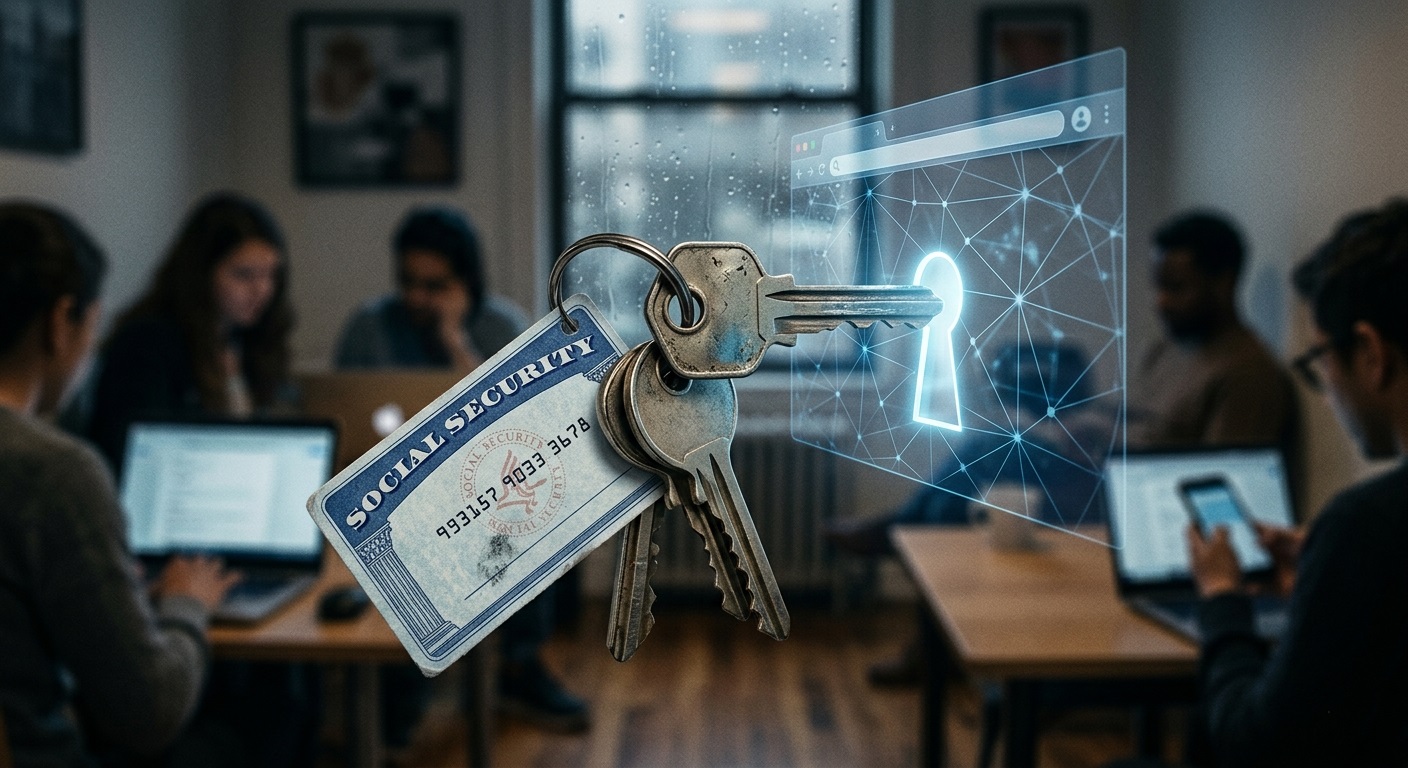
In the sprawling digital marketplace of modern America, a curious paradox has emerged. As our lives migrate increasingly online, the gates to digital participation have grown more formidable, guarded by ever-stricter verification systems. Yet in this fortress of digital exclusion, an unlikely key has gained prominence: the Fake Social Security Card. This humble piece of counterfeit plastic has become the underground passport to digital citizenship for millions locked out of the online economy.
The digital age promised borderless opportunity, but instead delivered a labyrinth of identity checkpoints. From banking apps to freelance platforms, from crypto exchanges to educational portals—every digital doorway now demands proof of identity through official documents. The Social Security Card, once a simple paper record of earnings, has transformed into the master key to American digital life. But what happens when you can’t obtain one through official channels? That’s where the shadow economy of fake documentation steps in, offering not just a workaround but a lifeline to digital participation.
The Digital Verification Arms Race
The past decade has witnessed a dramatic escalation in online identity requirements. What began as simple email registrations has evolved into comprehensive identity verification processes that would make border patrol agents nod in approval. This transformation stems from legitimate concerns—fraud prevention, regulatory compliance, security standards—but has created unintended barriers that exclude millions from digital participation.
The Know Your Customer (KYC) revolution has spread from financial services to virtually every online platform that handles money or sensitive information. Banks, payment processors, freelance exchanges, and even social media platforms now require government-issued identification before granting full access. This verification blanket catches fraudsters, yes, but also sweeps up countless ordinary people caught in bureaucratic limbo.
The official path to obtaining a Social Security Card resembles a modern obstacle course—multiple forms, in-person visits, waiting periods stretching from weeks to months, and documentation requirements that would challenge even the most organized citizen. For immigrants, those who’ve lost documents, or anyone navigating bureaucratic nightmares, this process can feel like an impossible quest. In this landscape of exclusion, Fake Social Security Cards emerge not as criminal tools but as pragmatic solutions to systemic barriers.
The Underground Advantage: Why Fake Documentation Wins
The appeal of Fake Social Security Cards in the digital age isn’t hard to understand when you compare the user experience. Where official channels demand time, patience, and endless paperwork, the counterfeit route offers immediate gratification. This isn’t just about convenience—it’s about access to time-sensitive opportunities that won’t wait for bureaucratic processes to unfold.
Speed stands as perhaps the most compelling advantage. Digital opportunities operate on internet time, not government time. A job posting that closes tomorrow, a limited-time investment opportunity, an urgent banking need—these digital moments don’t pause for paperwork processing. A Fake Social Security Card that arrives in days rather than months isn’t just faster; it’s the difference between seizing an opportunity or watching it vanish forever.
The simplicity of the process appeals to anyone exhausted by bureaucratic complexity. No gathering multiple proofs of identity, no taking time off work for government appointments, no navigating confusing forms and requirements. The counterfeit path operates on a straightforward premise: provide what’s needed, receive what you want—without the administrative gymnastics.
The Technological Miracle: Modern Fake Documents
Today’s Fake Social Security Cards bear little resemblance to the crude forgeries of yesteryear. The underground document industry has undergone its own technological revolution, producing fakes that are virtually indistinguishable from government-issued versions. This isn’t about sloppy photocopies anymore—it’s about industrial-grade replication.
Modern counterfeit documents feature:
– Holographic elements that perfectly mimic official versions
– Microprinting that withstands magnified scrutiny
– UV-reactive inks positioned exactly where they should be
– Material composition identical to government cards
– Machine-readable elements that scan correctly
This level of craftsmanship explains why quality fake documents regularly pass verification on banking apps, freelance platforms, and other digital services. The technological sophistication has reached such levels that even advanced verification systems often cannot distinguish between official and counterfeit documents.
| Feature | Official Process | Fake Documents |
| Time Investment | 2-8 weeks (or longer) | 3-7 days |
| Documentation Burden | Multiple proofs required | Basic personal information |
| Physical Appearance | Standard government issue | Identical to original |
| Security Elements | Standard set | Full replication of originals |
| Digital Verification Success | 100% | 95%+ with quality provider |
| Cost | Official fee (minimal) | Market rate (typically higher) |
| Accessibility | Limited by status/requirements | Available to anyone |
The Digital Gateway: Where Fake Documents Open Doors
The practical applications for Fake Social Security Cards span the entire digital landscape, creating pathways to participation that would otherwise remain closed. These aren’t theoretical benefits—they’re concrete opportunities that transform lives.
Financial services represent perhaps the most critical domain. Without a Social Security number, the digital banking revolution might as well not exist. No online accounts, no payment processing, no access to digital investment platforms, no peer-to-peer lending—essentially no participation in the digital economy. A Fake Social Security Card unlocks these financial tools, allowing full participation in the digital financial ecosystem.
The freelance economy has become a lifeline for millions, but most platforms require identity verification before allowing workers to receive payments. For immigrants, those with documentation issues, or anyone caught in bureaucratic limbo, this creates an impossible barrier. Fake Social Security Cards provide the key to accessing these digital marketplaces where people can earn a living regardless of their official status.
Educational platforms offering American certifications often require proof of residency or citizenship. This excludes millions from accessing online learning opportunities that could transform their career prospects. Fake documentation opens these digital classrooms, allowing access to education that might otherwise be closed due to documentation barriers.
| Platform Category | Examples | Verification Purpose |
| Banking Apps | Chase, Bank of America, Capital One | Account opening, transaction access |
| Payment Systems | PayPal, Venmo, Cash App | Money transfer, payment processing |
| Freelance Platforms | Upwork, Fiverr, Freelancer.com | Identity verification for payments |
| Crypto Exchanges | Coinbase, Binance.US, Kraken | Compliance with financial regulations |
| Online Retail | Amazon Seller, eBay Professional | Seller verification and tax reporting |
| Educational Services | Coursera Plus, edX Certificates | Verification for US-specific programs |
| Healthcare Portals | Major insurance providers | Patient identity and coverage verification |
The Psychology of Digital Exclusion
The decision to obtain a Fake Social Security Card isn’t made in a vacuum. Behind this choice lies a complex web of psychological and practical factors that reflect deeper truths about modern digital life.
The immediacy mindset of the digital age creates powerful impatience with bureaucratic processes. We’ve grown accustomed to instant gratification—same-day delivery, streaming content, real-time communication. Against this backdrop, waiting weeks or months for official documentation feels not just inconvenient but fundamentally unreasonable. Why should digital participation be delayed by analog bureaucracy?
Bureaucratic fatigue represents another powerful psychological factor. The process of obtaining official documents often involves navigating confusing systems, interacting with unhelpful bureaucrats, and enduring endless waiting. This emotional toll drives many to seek alternatives that spare them the frustration and stress of official channels.
There’s also a sense of systemic injustice at play. Many view identity verification requirements as unnecessarily complex and disconnected from actual risk management. When they see others easily bypass these systems through fake documentation, it reinforces the perception that official requirements serve more to exclude than to protect.
Practical Realities Driving Demand
Beyond psychological factors, concrete practical circumstances drive many to seek Fake Social Security Cards. Document loss or theft creates urgent needs that official processes can’t address quickly enough. The bureaucratic nightmare of replacing a lost Social Security Card can stretch into months—a lifetime in digital terms.
Immigration status represents another powerful driver. Millions of residents contribute to American society and economy but cannot obtain official documentation. For these individuals, fake documents become not a choice but a necessity for accessing basic digital services that most take for granted.
Time-sensitive opportunities create additional pressure. A job offer that requires immediate verification, a time-limited investment opportunity, an urgent banking need—these digital moments don’t pause for bureaucratic processes. In these situations, fake documentation becomes the pragmatic solution to time-critical challenges.
The Future of Digital Identity Verification
The landscape of digital identity verification continues to evolve at breakneck speed, with both security measures and counterfeit technologies advancing in parallel. This technological arms race creates fascinating dynamics that will shape the future of digital participation.
Biometric integration represents the next frontier in verification. Platforms are increasingly incorporating fingerprint, facial recognition, and other biometric data into their verification processes. In response, producers of fake documents are adapting to include these elements, creating increasingly sophisticated replicas that can pass even advanced biometric checks.
Blockchain technology offers another frontier. Some platforms are experimenting with blockchain-based identity verification systems, while producers of fake documents are simultaneously developing ways to create blockchain-compatible identities. This cat-and-mouse game ensures that verification technologies and their workarounds will continue to evolve together.
Platform-specific optimization is emerging as a trend in the fake document market. Rather than one-size-fits-all solutions, producers are increasingly creating documents optimized for verification on specific platforms, accounting for their unique verification methods and requirements. This targeted approach increases success rates and reduces detection risks.
The Digital Inclusion Imperative
As our lives migrate increasingly online, access to digital platforms has transformed from a convenience to a necessity. Banking, employment, education, healthcare, government services—all have moved online, creating a digital divide that excludes those without proper documentation. In this landscape, Fake Social Security Cards serve not just as tools for bypassing security but as instruments of digital inclusion.
The ethical dimensions of this phenomenon defy simple categorization. On one hand, fake documents undermine verification systems designed to prevent fraud. On the other hand, they provide access to essential digital services for those excluded by bureaucratic barriers. This tension reflects broader contradictions in our digital society—between security and accessibility, between regulation and inclusion, between official processes and practical realities.
What’s clear is that as long as official documentation processes remain slow, complex, and exclusionary, there will be demand for fake alternatives. The solution isn’t necessarily stronger security measures but more accessible and efficient official processes that reduce the need for workarounds. Until that day arrives, Fake Social Security Cards will continue to serve as the underground passport to digital citizenship for those locked out of official channels.
Conclusion
The rise of Fake Social Security Cards in the digital age reveals fundamental tensions in our increasingly online society. As essential services migrate to digital platforms, the barriers to participation have grown rather than diminished, creating a digital underclass excluded by documentation requirements. In this landscape, fake documents emerge not as criminal tools but as pragmatic solutions to systemic exclusion.
The technological sophistication of modern fake documents has reached such levels that they often successfully pass verification on even the strictest digital platforms. This isn’t about crude forgeries but industrial-grade replication that creates virtually indistinguishable alternatives to official documents. For those locked out of digital participation by bureaucratic barriers, these documents represent not just convenience but necessity.
As we move further into the digital age, the question isn’t whether fake documents will continue to exist, but how official systems will evolve to reduce the demand for them. Until documentation processes become as fast, efficient, and accessible as the digital services they protect, Fake Social Security Cards will continue to serve as the underground key to digital inclusion for those excluded by official channels.
In a world where digital participation is increasingly essential for economic survival and social inclusion, fake documents have become the workaround that keeps millions connected to the digital economy. They represent not a rejection of official systems but a pragmatic adaptation to their limitations—a shadow solution to a very real problem of digital exclusion in the age of verification.

The Go-To Tech Expert and Official Blogger at DrunkID
ID isn’t just a name; it’s a signature of expertise! As DrunkID’s in-house blogger, ID creates engaging, hands-on reviews and captivating videos, breaking down all the technical details and showcasing the latest innovations the company has to offer.
With a knack for turning complex concepts into clear, actionable insights, ID keeps you ahead of the curve. Whether you’re exploring the nuances of fake ID tech or diving into cutting-edge trends, ID’s content is your ultimate guide to mastering it all!
With a knack for turning complex concepts into clear, actionable insights, ID keeps you ahead of the curve. Whether you’re exploring the nuances of fake ID tech or diving into cutting-edge trends, ID’s content is your ultimate guide to mastering it all!
Latest posts by ID (see all)
- The Strategic Advantage of a Fake LLC Operating Agreement in Today’s Competitive Business Landscape - June 20, 2026
- Navigating 2026’s Tax Maze: How Fake LLC Operating Agreements Can Be Your Strategic Advantage - June 20, 2026
- Navigating Corporate Registration: Delaware vs Nevada – Leveraging Fake Articles of Incorporation - June 19, 2026